
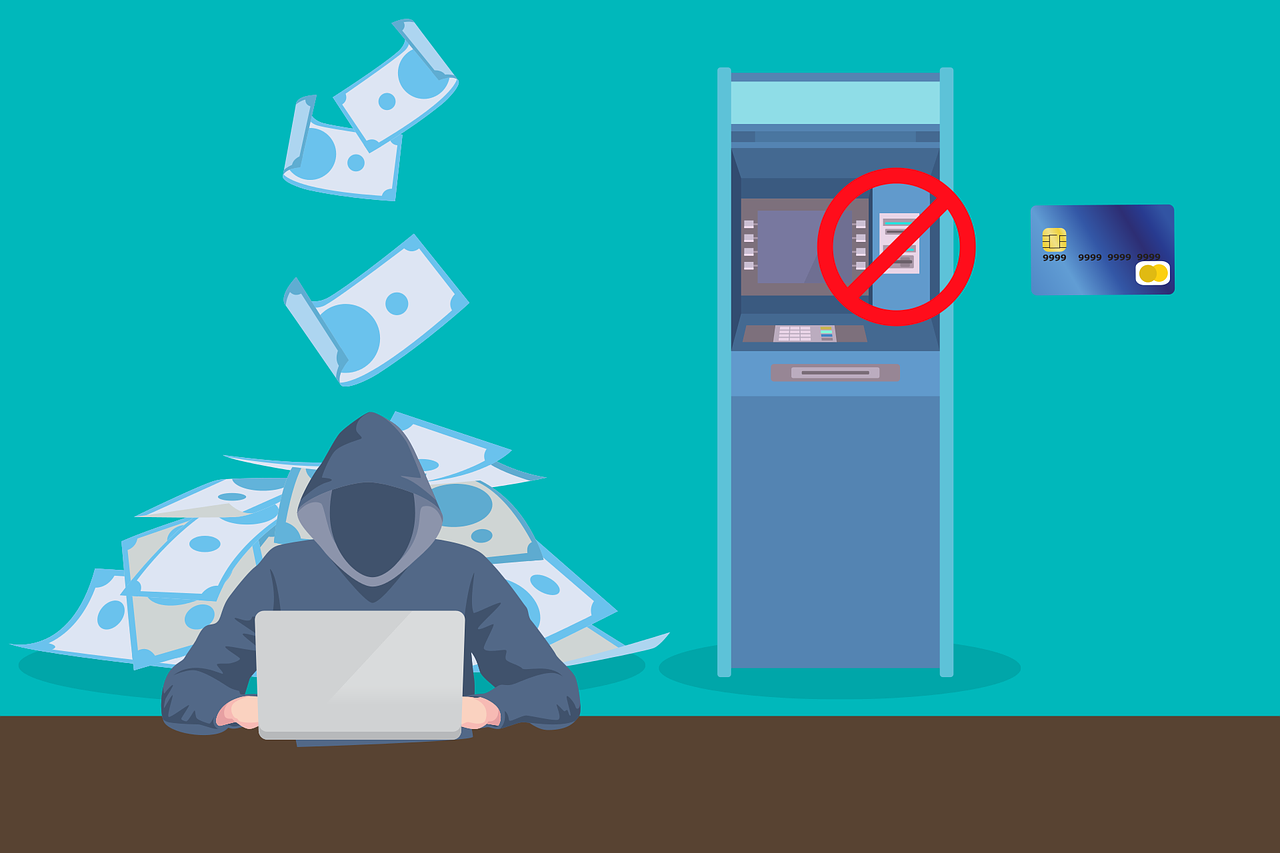
Cybersecurity threats are no longer a “big company problem.” In fact, 2026 is shaping up to be one of the most dangerous years yet for small and midsized businesses across East Tennessee.
From Knoxville and Maryville to Oak Ridge, Sevierville, and the Tri-Cities, cybercriminals are actively targeting local organizations that rely on outdated defenses, limited IT oversight, and the assumption that “we’re too small to be a target.”
The reality is clear: East Tennessee businesses are now prime targets, and the threats coming in 2026 are more advanced, more convincing, and more damaging than ever before.
Here’s what business owners need to know — and how to prepare.
Why East Tennessee Businesses Are Being Targeted
Cybercriminals follow opportunity, not geography. And in East Tennessee, opportunity looks like:
- Growing small and midsized businesses
- Limited internal IT staff
- Heavy reliance on email and cloud platforms
- Remote and hybrid work environments
- Healthcare, legal, manufacturing, tourism, and government contractors
- Businesses processing payments and sensitive data
Attackers know that regional businesses often lack enterprise-level defenses, making them easier targets with high payoff.
Top Cybersecurity Threats Facing East Tennessee in 2026
1. AI-Powered Phishing Attacks
Phishing emails in 2026 no longer look suspicious. They are:
- Written with perfect grammar
- Timed around real business events
- Customized using public data
- Able to impersonate vendors, executives, and clients
One click can compromise credentials, financial systems, or cloud access.
2. Business Email Compromise (BEC) & Vendor Fraud
These attacks target accounting, payroll, and leadership teams.
Common scenarios include:
- Fake vendor bank change requests
- Urgent wire transfer requests from “executives”
- Invoices altered mid-email thread
These attacks bypass antivirus entirely and rely on human trust.
3. Ransomware Targeting Small Businesses
Ransomware groups have shifted away from large enterprises toward small businesses that lack advanced defenses.
In East Tennessee, we’re seeing:
- Attacks during weekends and holidays
- Double extortion (data theft + encryption)
- Cloud backups targeted first
- Businesses forced offline for days or weeks
Ransomware recovery costs now regularly reach six figures.
4. Cloud Account Takeovers
As more businesses move to Microsoft 365 and cloud platforms, attackers focus on:
- Weak passwords
- Missing multi-factor authentication
- Excessive user permissions
Once inside a cloud account, attackers can:
- Read emails
- Download files
- Launch internal phishing attacks
- Access financial systems
5. Supply Chain & Third-Party Attacks
Businesses are increasingly compromised through:
- Vendors
- Managed service providers
- Software updates
- Shared platforms
Even if your systems are secure, a trusted partner’s breach can impact you.
Local Factors Increasing Risk in East Tennessee
Several regional elements amplify risk:
- Seasonal staffing in tourism businesses
- Government contractors handling sensitive data
- Healthcare practices with limited IT budgets
- Manufacturing environments blending IT and OT
- Rapid growth without security planning
Cybercriminals understand these pressures — and exploit them.
What East Tennessee Businesses Must Do in 2026
Businesses that avoid incidents focus on prevention, not reaction.
Key protections include:
- Multi-factor authentication on all accounts
- Advanced email security and impersonation protection
- Endpoint detection and response (EDR)
- Verified, tested backups
- Employee security awareness training
- Continuous monitoring and threat response
- Clear incident response plans
Cybersecurity is no longer optional — it’s operational risk management.
Why Waiting Is the Most Expensive Option
Most businesses don’t act until after an incident — when:
- Systems are down
- Customers are affected
- Trust is damaged
- Costs skyrocket
- Recovery takes months
In contrast, proactive security costs a fraction of recovery expenses.
Final Thoughts
The 2026 cybersecurity forecast for East Tennessee is clear: attacks will increase, become more targeted, and cause more disruption. Businesses that take action now will protect their operations, reputation, and future growth.
If your organization hasn’t recently reviewed its security posture, now is the time.