
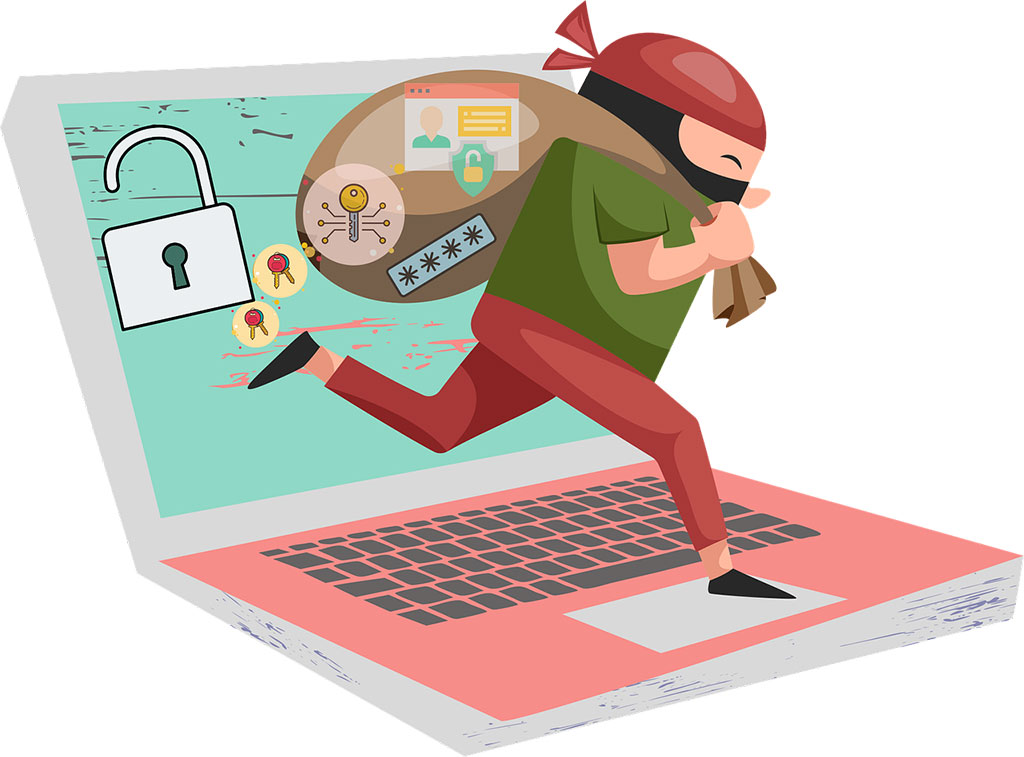
Passwords alone no longer protect businesses from email threats.
For Tennessee businesses, email remains the #1 entry point for cyberattacks—from phishing scams and invoice fraud to credential theft and ransomware. Even companies with “strong passwords” continue to fall victim because modern attackers don’t break passwords—they bypass them.
That’s why email security in Tennessee must go beyond basic password protection.
Why Passwords Aren’t Enough Anymore
Most email attacks don’t involve hacking into systems directly. Instead, they rely on:
- Phishing emails that trick employees
- Fake login pages that steal credentials
- Impersonation emails that look legitimate
- Malware attachments disguised as invoices or documents
Once credentials are stolen, attackers move freely—often without triggering alerts.
This is why business email protection must focus on prevention, detection, and response—not just login security.
Most Common Email Threats Targeting Tennessee Businesses
- Phishing & Credential Harvesting
Emails that look like Microsoft, banks, or vendors and steal login credentials.
Impact: Account takeovers, data access, lateral movement.
- Business Email Compromise (BEC)
Attackers impersonate executives or vendors to redirect payments or request sensitive data.
Impact: Direct financial loss.
- Malware & Ransomware via Email
Malicious attachments or links install malware once clicked.
Impact: System outages, ransom demands, data loss.
- Internal Account Abuse
Once an account is compromised, attackers send phishing emails internally—making scams harder to spot.
Advanced Email Security Protections Every Business Should Have
- Multi-Factor Authentication (MFA)
Stops most attacks even if credentials are stolen.
- Advanced Email Filtering
Modern filters analyze behavior—not just keywords—to block malicious emails before they reach inboxes.
- Domain Impersonation Protection
Prevents attackers from spoofing your domain or executive names.
- Conditional Access Controls
Blocks risky logins based on location, device, or behavior.
- Ongoing Phishing Awareness Training
Employees are your last line of defense—and must be trained accordingly.
Why Knoxville Businesses Are Targeted
Smaller businesses are targeted because:
- Security controls are often minimal
- Staff wear multiple hats
- Email trust is high
- Attack detection is slower
This makes phishing prevention in Knoxville a priority, not a luxury.
Start with an Email Security Review
If you’re unsure whether your current email security goes beyond passwords, now is the time to check—before an incident forces the conversation.
Final Thought
Email security isn’t about locking doors—it’s about stopping attackers before they step inside.